
Student Scholarship Winners Testimonies
2025 - 2026
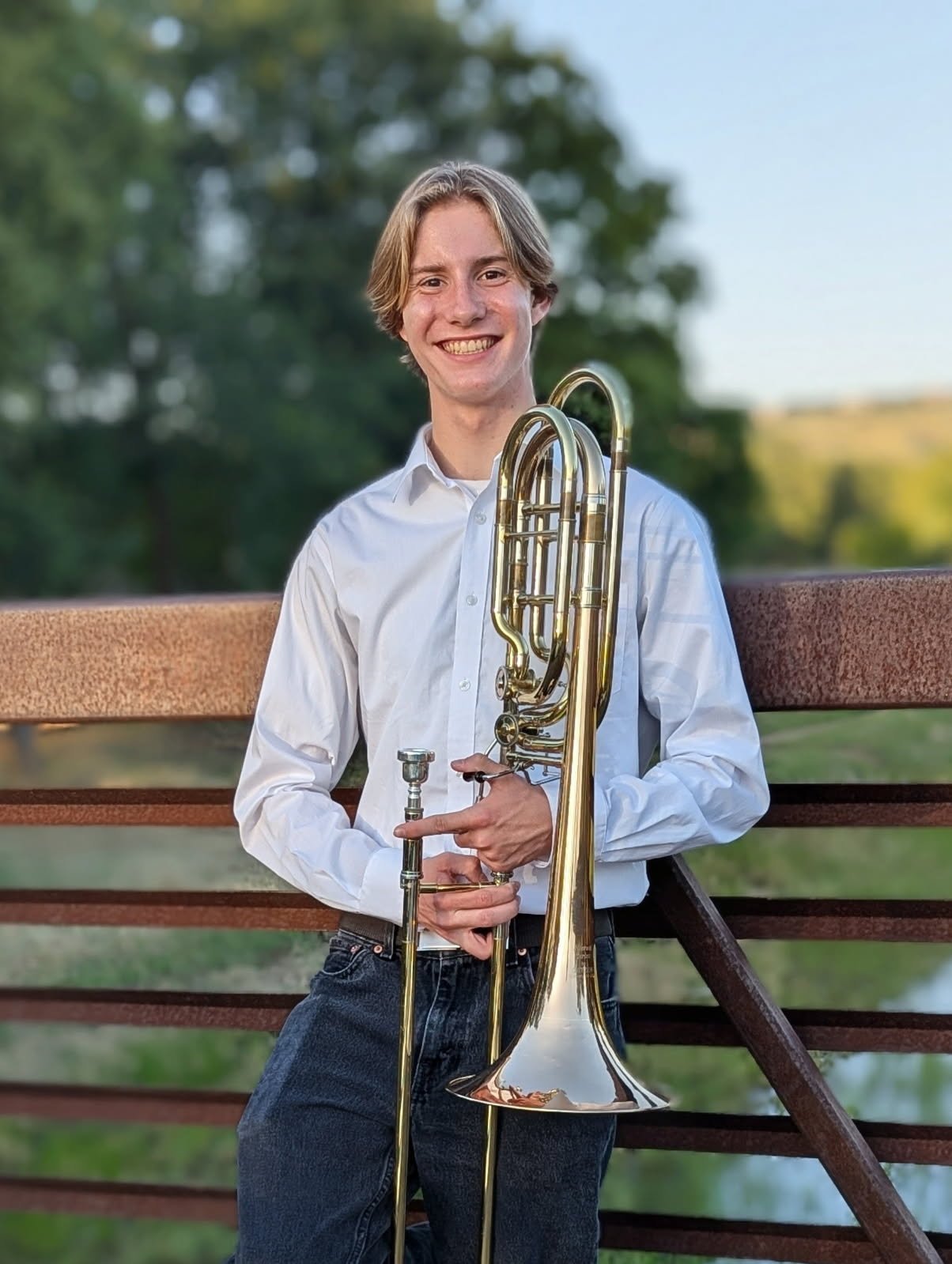
The Folsom High School Music program has had such a big impact on my life in the present and for the future. I came to Folsom High School only knowing a handful of people but when I joined the music program that changed quick;y. I made so many new friends and connected so fast with the band. I felt so welcomed by everyone there and I felt very supported by my peers and Instructors. As I continued with the program I experienced teaching from many different teachers and mentors such as Mr. Gaesser, Ms. Williams, Mr. Miles, Ms. Abdallah, and more who have all helped shape who I am today. Curtis gaesser and Gaw Williams have both made such a huge impact on my life as they have both taught me what music really means and how amazing it truly is. These two have made me love music and appreciate it so much and I want to always be playing music throughout my life. My Highschool teachers and instructors have inspired me so much and I am constantly looking up to them and trying to improve. I want to thank Curtis Gaesser, Gaw Williams, Kenya Abdallah and all of the music boosters for creating and supporting such a great program. I am excited for what is to come for the Folsom High Music program and I can't wait to watch and help out in the future.
My plans for the future are to continue on to college and I will be attending Sacramento State in this fall. My major is currently Mechanical Engineering and I am hoping to minor in music as well or to at least continue with the art. Alongside that I will continue to play in Curtis Gaesser's Live Performing Arts Academy jazz band and keep performing and playing there. I hope to be able to volunteer for the Folsom Music program as much as I can in the future as well as I love helping out and supporting the program.
Thank you all very much, Landon Branham
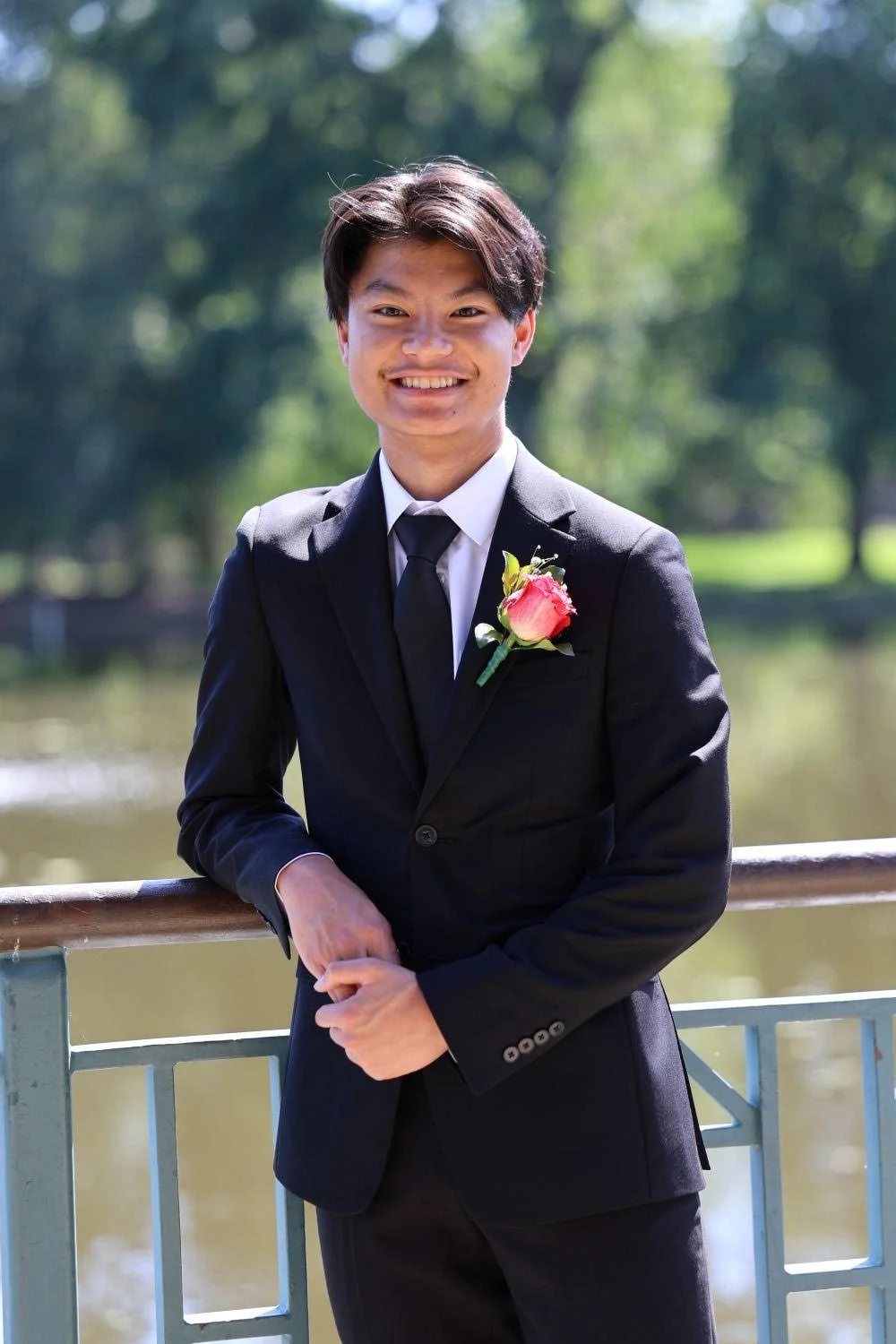
1. “What is Jazz?” To some, it’s simply another genre of music. But to me, it’s how I
express my creativity. One thing that distinguishes jazz from other genres is improvisation. Improvisation, also known as soloing, highlights a single player that plays over a portion of the song with only background music and chords. Admittedly, I was terrified of it, afraid of embarrassing myself and letting my band mates down. So, I avoided it like the plague. That is until the Campana Jazz Festival.
At first, it seemed like any other performance –until my senior baritone saxophone stood up for his solo. He didn’t play anything fancy; no fast rhythmic lines, no crazy refined note choices, just raw emotion. At that moment, I was inspired, not only to explore jazz as a genre, but to solo myself.
However, the question was how? How does one solo? First, I started private lessons. These lessons consisted of a variety of exercises that improved my general technique and expanded my knowledge of music theory: scales, chords and styles. Hours of practice followed: I played exercises until my fingers cramped, improvised over backing tracks, and studied Jazz Greats like Charlie Parker, Stan Getz, and Ella Fitzgerald.
With knowledge and experience came confidence, and I began to take solos. Some were good; others not so much. However, I’m fortunate enough to feel what it’s like to be “in the pocket.” In the pocket, nothing else matters -not my score, not how others perceive me- it’s just me and the rhythm section. The best way I can describe it is a conversation. It’s getting vulnerable. It’s sharing emotion and having fun, putting in your heart and soul.
Today, I’m the tenor saxophonist in Jazz Band A and Folsom High School’s first ever Jazz Combo. As I take solo after solo, I hope to express the beauty of emotion to my underclassmen, just as my senior did for me. So “What is Jazz?” you ask. It’s how I express my creativity, unapologetically, confidently, and emotionally. It’s an outlet to my stress, and a safe place to be myself.
2. Imagine a baby. Cute. Adorable. Look at their skin. Smooth, soft, supple. Now look at me. Whenever I look at my baby photos, two words come to mind: “red raisin.” As a child, I suffered from eczema, asthma, and allergies—conditions neither of my two triplet brothers shared. When I was younger, I'd scratch my scalp until I was bald and my skin until I bled. As I grew older, I constantly monitored everything: what I touched, what I ate, even the detergent I used. To prevent asthma attacks, I limited physical activity, often forced to sit out upon the slightest wheeze or cough. At night, my restless hands, as if possessed, vigorously attacked my neck, elbows and knees, preventing me from sleeping. Mentally, I felt helpless and lonely. Helpless in the face of a condition I couldn’t change. Lonely in a sense that I couldn’t enjoy the same “luxuries” as others. However, thanks to the relentless hard work of my parents, doctors, nurses, dermatologists, and allergists, my life changed. I could live –truly live. No more cold showers. No more micromanaging every move. That change inspired me not only to survive, but to pursue a career in healthcare myself.
In his “Universal Lessons from the Holocaust” speech, Elie Wiesel says “only those who were there can understand what it meant to be there." I have been there. I know what it's like to pull the short end of the genetic stick. I’ve watched as my other triplet brothers and peers enjoyed food and activities I couldn’t even dream of. I’ve experienced the physical and mental strain of being someone who’s impaired.
Of course, I’ve also experienced the gratifying impact curing that impairment, even just a little bit, can have. It’s freeing. Moreover, going through my life, leaving others trapped by their conditions —well aware I could give them that sense of freedom that doctors gave me— doesn’t sit well with me. My first steps begin at Northstate College of Health Sciences. I will be a doctor in the future no matter how treacherous or long that journey may be, but I will always remember my roots in music. ~Derek Nguyen
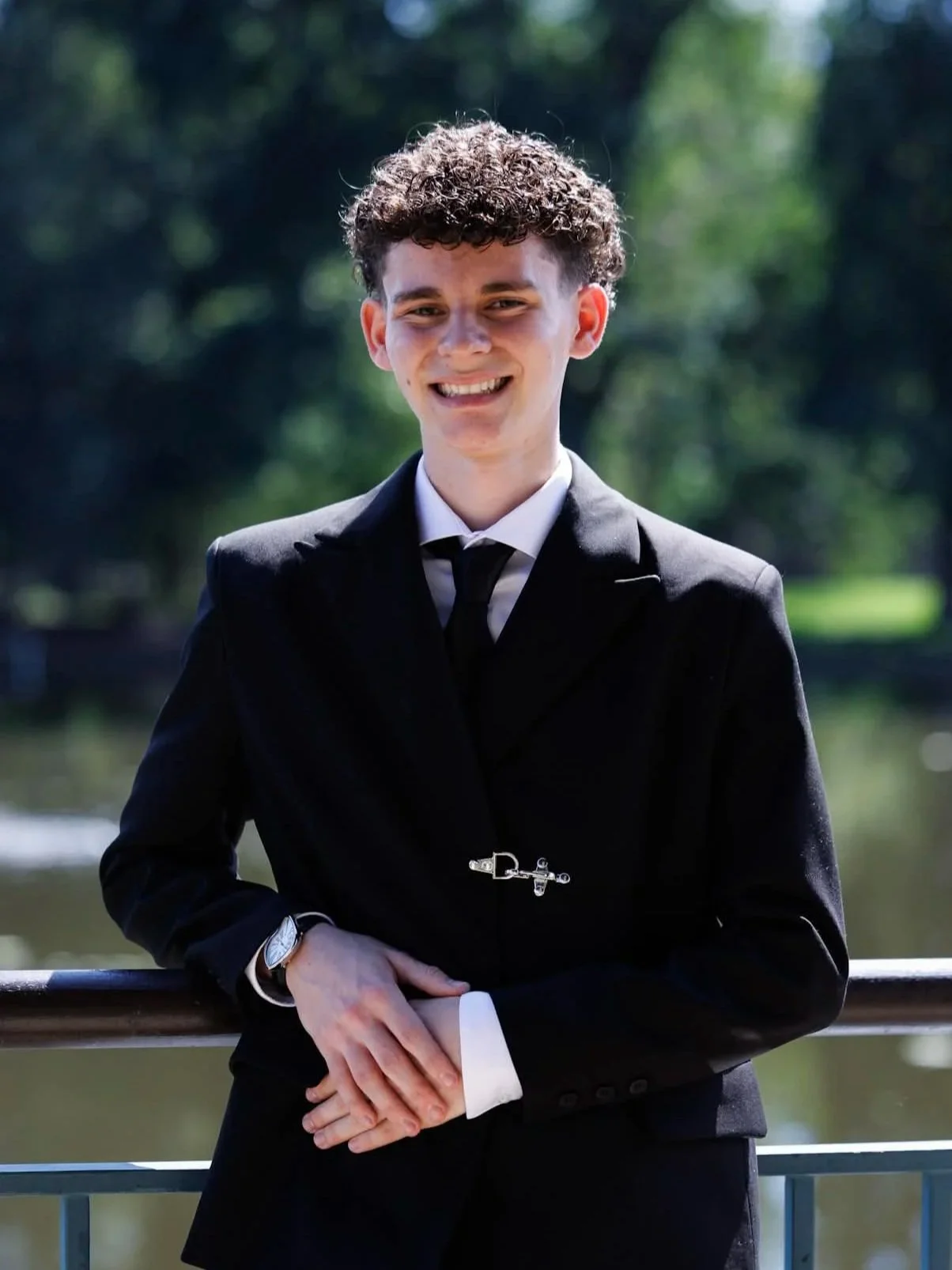
I was in awe the first time I walked into the band room. Hundreds of trophies lined the walls, and I never knew how much the music program would do for me. The Folsom Music Program has given me a drive to improve, leadership experience through marching band and jazz band, the privilege of performing out of state in Atlanta and NYC, opportunities to work with professionals, and, ultimately, a place I call home. I’m lucky to have been in a place with such awesome, talented peers and great directors.
In the future, I plan to earn both a bachelor’s and a master’s degree in aerospace engineering. I look forward to taking the skills and discipline I gained in band into this new chapter.
-Nathan Hager
I came to Folsom my sophomore year without any clue about the lifelong friendships I was about to make. The people I met in the music program became my brothers, sisters, and family, all of whom have made my high school experience into the most incredible and memorable time. The lessons I learned both about music and life will follow me as I go into college and know wholeheartedly that because of the instruction I received from Mrs. Williams I am a strong singer/instrumentalist, a positive team member, and above all I know that I can succeed at whatever I put my mind to whether it be complicated music or making a change in global warming.
I plan to attend California State University at Monterey Bay and major in marine science, but a lot of my extracurricular activities will include marching and playing in the pep band, jazz band, and hopefully starting a jazz choir. I look forward to college all the more now, although I will miss the friends I’ve made in the Folsom music program, because I know that no matter where I go: I always have a family in music.
- Starre Staley
